
Educational Resource Centre
Essential Learning Resources for Every Student
Student Study Materials
Topic-Wise Summaries & Notes
Our topic-wise summaries and notes provide students with a clear, structured understanding of Dr. B.R. Ambedkar’s life, ideology, and contributions. Each topic is broken down into simplified explanations, key highlights, historical context, and analytical points to support quick revision as well as deeper learning. Whether students need an overview of his social movements, constitutional debates, economic theories, or philosophical influences, these notes offer precise and exam-oriented content. Designed for learners at all levels, the summaries help reduce study time, improve retention, and build conceptual clarity. They are ideal for school students, competitive exam aspirants, and academic researchers.
Exam-Friendly Study Guides
These study guides are specially curated for students preparing for school boards, university exams, and competitive examinations such as UPSC, MPSC, and state PSCs. Organized according to exam patterns, the guides include important questions, model answers, conceptual explanations, timelines, case studies, and chapter-wise breakdowns. Each guide highlights what examiners expect, making it easier for students to focus on high-value topics. The content is balanced to suit both beginners and advanced-level learners. With simplified interpretations of Ambedkar’s speeches, writings, and constitutional insights, these guides help students build strong foundations, write better answers, and score higher marks in examinations.
Exam-Friendly Study Guides
Our downloadable PDFs and reference sheets provide students with neatly organized study material that they can access anytime, even offline. These resources include biography charts, movement timelines, summaries of key works, quotes, conceptual maps, constitutional articles explained, and theme-based notes. Each PDF is designed for quick reading and easy revision, making it ideal for students who prefer portable and printable study formats. The reference sheets also include visual aids such as charts, flow diagrams, and comparison tables to simplify complex ideas. Students preparing for exams can rely on these PDFs to revise efficiently and retain critical information with ease.
Interactive Learning Tools
The interactive learning tools enhance student engagement by transforming complex topics into simple, memorable formats. Flashcards help learners quickly revise major events, definitions, dates, and key themes from Ambedkar’s life. Quizzes test understanding through multiple-choice questions, true/false statements, analytical questions, and rapid-fire recall formats. Visual charts summarize movements, books, speeches, constitutional provisions, and philosophical ideas in an easy-to-follow layout. These tools are perfect for both classroom learning and self-study. By making revision more enjoyable and interactive, they help students retain information longer, strengthen conceptual clarity, and develop confidence before exams.
Guided Learning Path for India’s Top Competitive Exams
Civil Services Preparation (UPSC, MPSC, etc.)
This section provides students with curated resources, guidance, and study support for India’s most prestigious competitive examinations. Whether preparing for UPSC or state-level services like MPSC, learners can access structured materials, expert insights, and essential tools to strengthen their preparation journey.

National Civil Services Examination Support
Union Public Service Commission

Comprehensive Syllabus Coverage – Access material for Prelims, Mains, and Interview with well-organized notes and updated current affairs.
State-Level Administrative Services Preparation
Maharashtra Public Service Commission
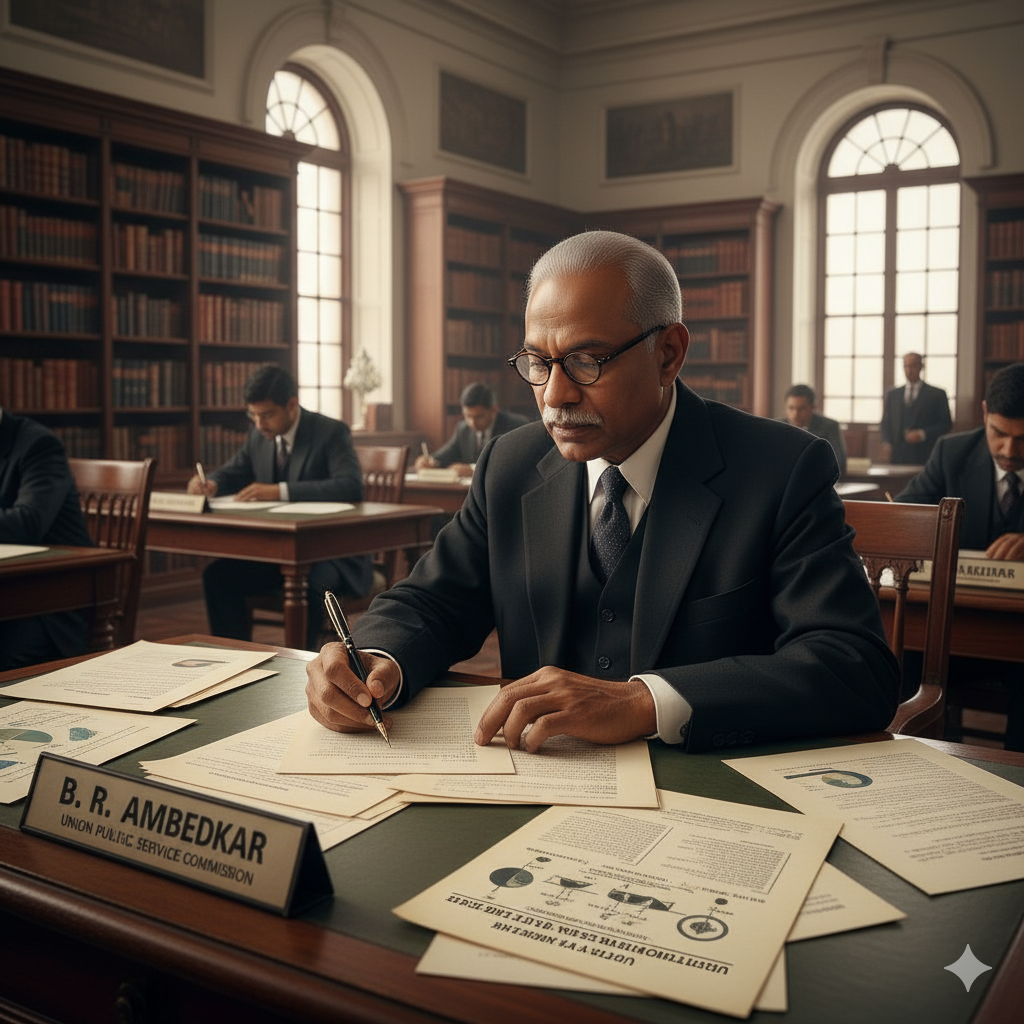
Maharashtra-Focused Content – Detailed notes on state history, geography, polity, and regional current events tailored to the MPSC pattern.
Essential Learning Resources for Every Student
Student Study Materials
Ambedkar’s Influence on Modern Democracy
- University: JNU
- Year: 2021
- Author: S. Mehta
Abstract: A study exploring the evolution of India’s democratic values through Ambedkar’s constitutional philosophy, focusing on equality, individual rights, and institutional safeguards.
Social Justice and Constitutional Morality
- University: MNU
- Year: 2020
- Author: Kulkarni
Abstract: This paper examines how Ambedkar’s framework of social justice shapes contemporary legal reforms, emphasizing his insistence on constitutional morality as the foundation of an inclusive and ethical society.
Caste, Labor, and Development Policy
- University: DSE
- Year: 2022
- Author: Banerjee
Abstract: An analytical study of Ambedkar’s economic writings, highlighting his critique of caste-based labor structures and his policy proposals for equitable growth, industrialization, and labor rights.
Caste, Labor, and Development Policy
- University: BHU
- Year: 2019
- Author: Srivastava
Abstract: This research explores Ambedkar’s belief in education as a transformative force, tracing its role in social mobility, empowerment of marginalized communities, and long-term democratic development.
Lesson Plans, PPTs & Workshop Kits for Teachers
Educator Resource Kits
Curriculum-Based Lesson Plans
Well-organized, grade-wise lesson plans covering Ambedkar’s biography, social reform movements, constitutional contributions, and democratic principles.
Ready PowerPoint Presentations
Visually rich PPTs for classroom teaching—featuring timelines, key concepts, infographics, photographs, and simplified explanations to make lessons easy.
Workshop & Training Kits
Complete resource bundles for educators conducting seminars, heritage sessions, or Ambedkar Jayanti programs. Kits include facilitator guides.
Printable Worksheets & Activities
Engaging worksheets, quizzes, flashcards, and group activities designed to strengthen comprehension and encourage critical thinking among students.
Engaging contests to test knowledge, sharpen argumentation, and encourage thoughtful writing.
Online Quiz, Debate & Essay Competitions
Participate in timed quizzes, live debates, and essay challenges on Ambedkar’s life, thought, and social justice topics. Certificates and prizes for winners.
Quick Quiz: Ambedkar & Constitution
Format: 20 MCQs • Time: 20 minutes • Level: Intermediate
Rapid Round: Ambedkar’s Writings
Format: 15 MCQs • Time: 12 minutes • Level: Beginner
Debate: Reservation Policy — Necessity or Temporary Measure?
Format: Team debate (2 vs 2) • Mode: Live virtual round • Registration deadline: 10 days
Debate: Buddhism & Social Reform — Relevance Today
Format: Individual short-debate • Mode: Recorded submission • Prize: Certificate
Essay Contest: Ambedkar’s Vision for Modern India
Word limit: 1200 • Submission: PDF • Closing date: 30th Nov
Young Writers: Interpreting Navayana Buddhism
Word limit: 800 • Category: Undergrad / School • Prize: Publication