Political Leadership

A New Voice for Workers

Formation of the Independent Labour Party

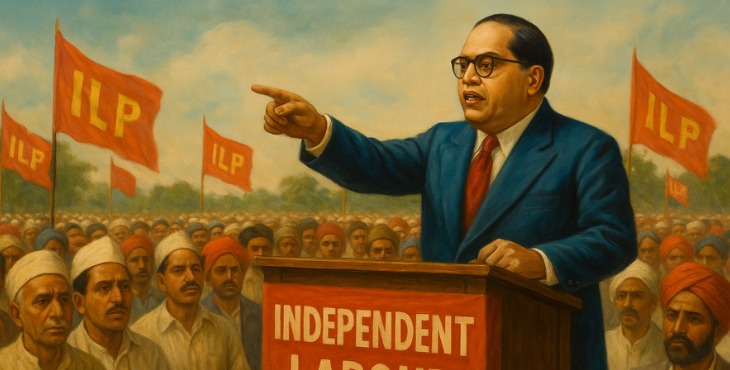
Dr. B.R. Ambedkar founded the Independent Labour Party (ILP) in 1936 to give a political platform to workers, peasants, and marginalized communities whose struggles were ignored by mainstream political groups. The party focused on securing fair wages, safe working conditions, land reforms, and legal protections for laborers across India. Ambedkar believed that economic justice was inseparable from social equality, and the ILP became a major force advocating for both.

Under Ambedkar’s leadership, the ILP contested elections, organized rallies, and mobilized industrial and agricultural workers to challenge exploitation and discriminatory practices. The party also opposed oppressive land laws and fought for the rights of tenant farmers. Although the ILP eventually merged into a broader political movement, it left a significant impact by establishing the foundation for labor rights, social justice politics, and the empowerment of India.

A Political Voice for the Oppressed

Scheduled Castes Federation

The Scheduled Castes Federation (SCF) was founded by Dr. Ambedkar to provide political representation, safeguard civil rights, and empower marginalized communities through democratic participation.

Political
Representation

Independent political voice for SCs

Fight Against
Discrimination

Challenging caste injustice and inequality

Empowering
Civic Freedom

Ensuring fair and inclusive democracy

Dalit Rights
Foundation

Creating foundations for Dalit progress

Shaping India’s Labour and Welfare Policies

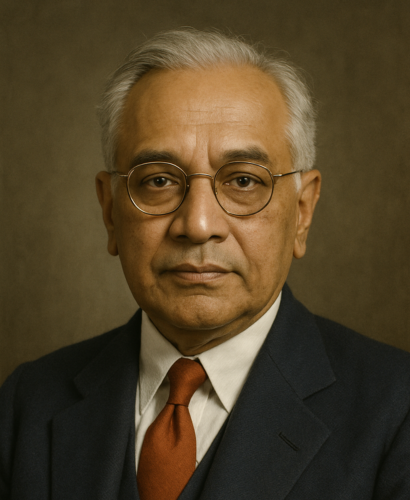
Member of Viceroy’s Executive

Sir A. Stafford Cripps

Member for Planning

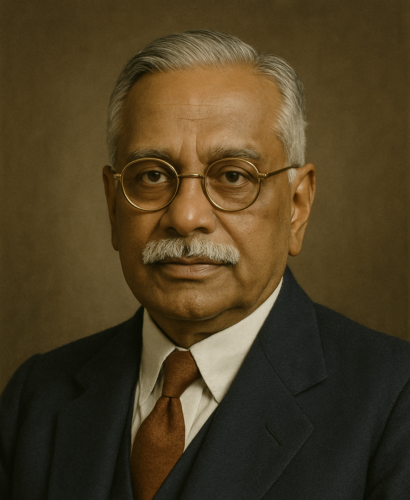
Sir Girija Shankar Bajpai

Member for External Affairs

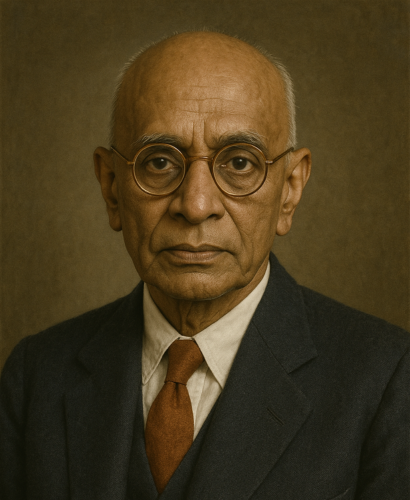
Sir Ramaswami Mudaliar

Member for Commerce

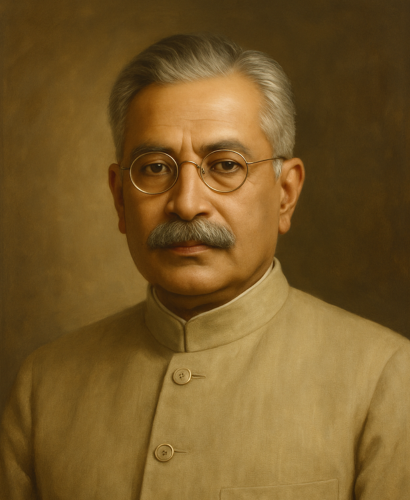
Sir C. Rajagopalachari

Member for Industries & Supplies

Sir Jogendra Singh

Member for Education

Dr. B. R. Ambedkar

Member for Labour

Laying the Legal Foundations of Modern India

First Law Minister of Independent India

Dr. B.R. Ambedkar became the first Law Minister of independent India in 1947, a role in which he shaped the country’s early legal identity. His tenure was marked by a commitment to justice, equality, and rights-based governance. As Law Minister, he worked to modernize India’s legal structure, strengthen civil liberties, and ensure that the newly formed nation upheld democratic values for all citizens.

One of his most visionary contributions was the Hindu Code Bill, which aimed to give women greater rights in marriage, inheritance, and property—reforms that were revolutionary for its time. Although the bill faced serious opposition, Ambedkar’s advocacy established the foundation for future social legislation. His tenure as Law Minister symbolizes his lifelong mission: to build a just society anchored in fairness, dignity, and constitutional morality.

Scroll to Top